
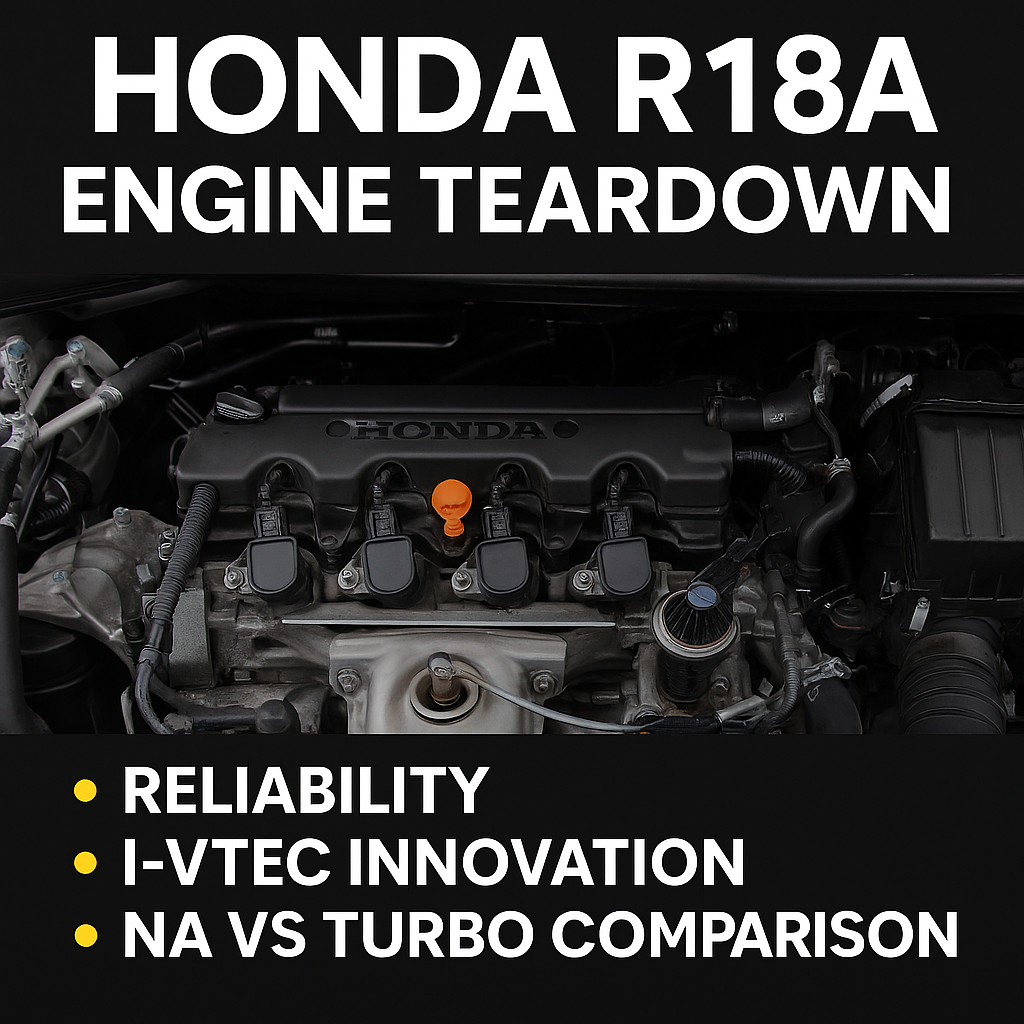
Why Older Honda Engines Keep Outlasting Modern Ones: A Deep Dive Into Honda’s R18 Reliability and i‑VTEC Engineering
Discover why Honda’s R18A engine remains a benchmark for reliability and efficiency. This teardown and technical deep dive reveals how SOHC i‑VTEC, port injection, and friction‑reducing innovations make the R18 a standout choice for long‑term ownership. Whether you're comparing turbo vs NA engines or shopping for a dependable JDM import, this guide breaks down everything you need to know.

Modern engines are more advanced than ever. Turbocharging, direct injection, hybrid systems, and complex emissions technology have transformed performance and efficiency across the automotive world. But with that progress comes a familiar debate: are modern engines actually less reliable than older naturally aspirated engines?
A recent teardown of Honda’s R18 engine — the 1.8‑litre NA motor found in 8th‑ and 9th‑generation Honda Civics — gives us a perfect case study. With over 210,000 km on the clock, the engine still showed impressive durability. And when you combine that with the engineering philosophy behind Honda’s SOHC i‑VTEC system, you start to see why this engine has earned such a reputation for long‑term reliability.
This article blends real‑world teardown results with a technical look at how the R18A works — and why proper maintenance matters more than ever for Honda owners, JDM enthusiasts, and anyone comparing modern turbo engines vs older NA engines.
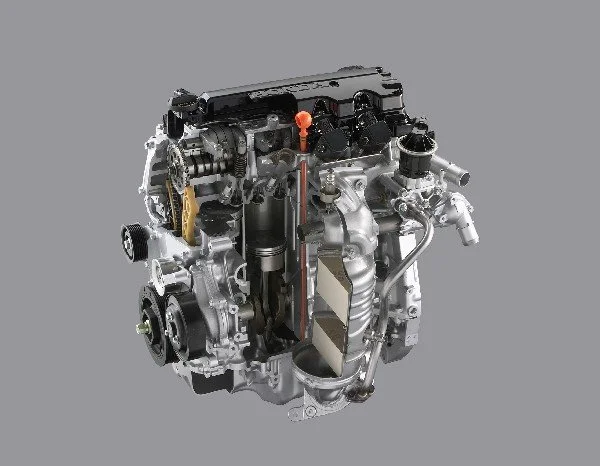
SOHC i-VTEC on the R18
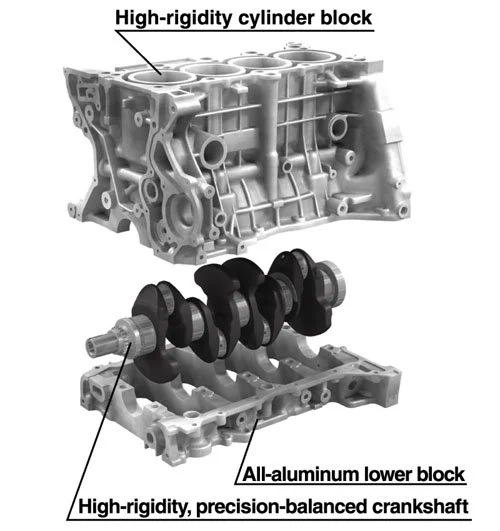
Inside the Honda R18: Simple Engineering That Just Works
The Honda R18 is a reminder of how effective simple, well‑thought‑out engineering can be. Key features include:
Port fuel injection (keeps intake valves cleaner)
Economy‑focused SOHC i‑VTEC system
Naturally aspirated design (less heat, fewer failure points)
Lightweight components like a plastic intake manifold
Low internal friction thanks to modern materials and coatings
During the teardown, the only major issue was a blown head gasket between cylinders two and three — caused by prolonged overheating, not a design flaw. Once coolant levels drop, temperature regulation fails, and gasket failure becomes inevitable.
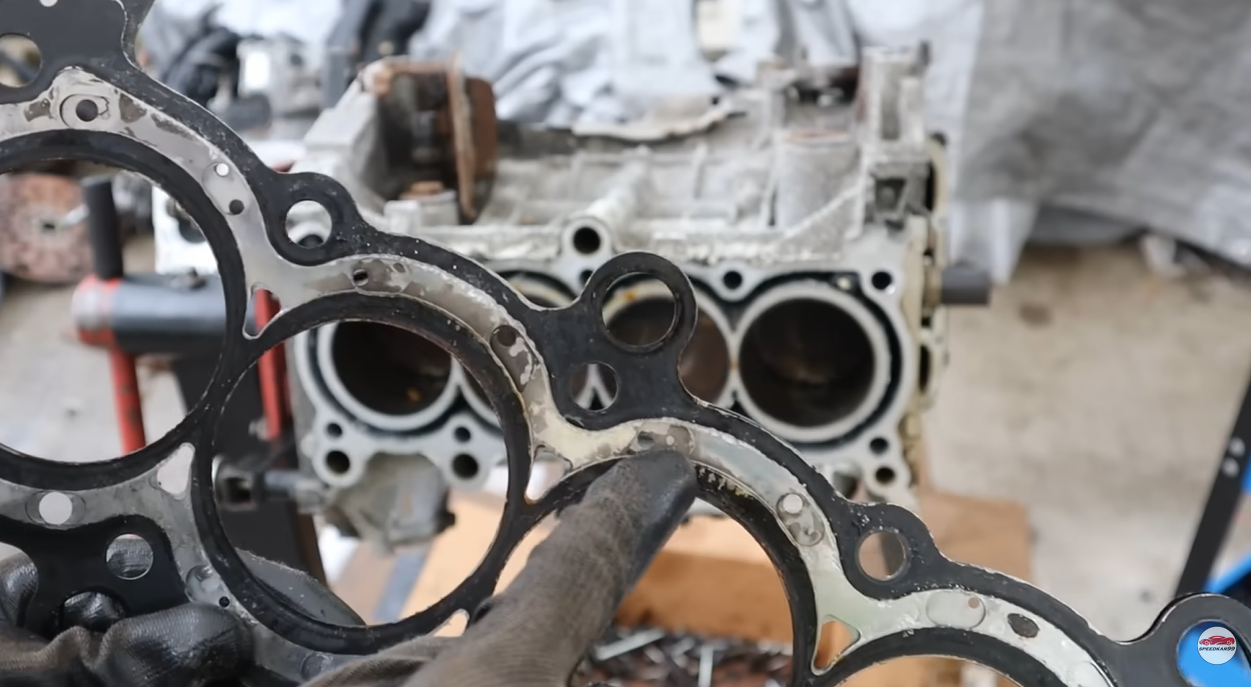
Honda head gasket blown on 1,2 and 3
The bottom end — crankshaft, rods, oil pan — showed normal wear for an engine with over 130,000 miles, proving how robust the R18 platform really is.
This is exactly why the R18 is often praised in Honda reliability discussions, Civic buyer guides, and JDM engine comparison articles.
How Honda’s R18A i‑VTEC System Actually Works
To understand why the R18A is so efficient and reliable, you need to look at its unique SOHC i‑VTEC system — a completely different approach from the high‑rpm VTEC systems Honda fans grew up with.
Honda designed the R18A around two real‑world driving modes:
1. Normal driving & performance mode
This uses the “hot” cam lobes — the more aggressive profiles — giving the R18A surprisingly strong low‑end torque and acceleration for a 1.8 NA engine.
2. Economy mode
This is where the R18A becomes clever.
Under light throttle and steady cruising, the engine switches to a fuel‑saving cam profile. Instead of restricting airflow with a nearly closed throttle plate (which causes pumping losses), Honda delays the intake valve closing so excess air is pushed back into the intake manifold.
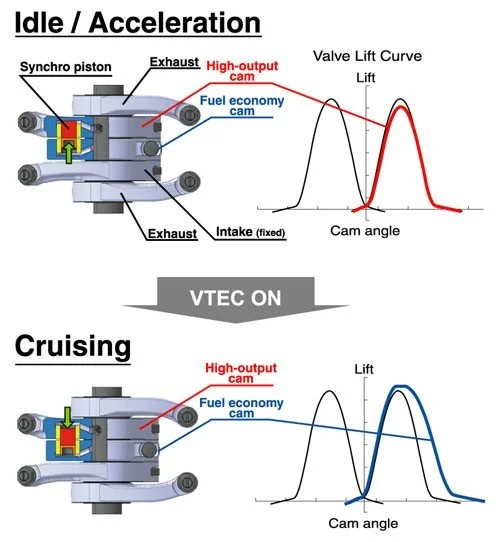
idle & accerlation of a honda R18 engine
This means:
The throttle stays almost fully open
The engine breathes freely
Pumping losses drop by up to 16%
Fuel economy improves dramatically
This system only works because of Drive‑By‑Wire (DBW), which allows the ECU to control the throttle plate independently of your foot.
The result is a dual‑mode engine that behaves like a torquey 2.0‑litre around town, but sips fuel like a 1.5‑litre on the motorway — a major selling point for daily drivers, commuters, and fuel‑efficient JDM imports.
Why the R18A’s Simplicity Helps Reliability
The R18A avoids many of the long‑term issues seen in modern turbo engines:
No turbo = less heat and pressure
Port injection = cleaner valves
Mild cam profiles = less wear
Fewer sensors and high‑pressure systems
Lower stress on internal components
It’s not a performance engine — but it’s built to last. This is why the R18 is often recommended in reliable Honda engine lists, first‑car guides, and budget‑friendly JDM import recommendations .
Are Modern Engines Really Less Reliable? A Balanced View
There’s a growing belief that modern turbocharged engines don’t last as long as older NA motors. But the reality is more nuanced.
We don’t fully agree that modern engines are “poor.”
What we do see is that modern engines are less forgiving when maintenance is skipped.
Why modern engines struggle when neglected:
Turbochargers generate more heat and stress
Direct injection can cause carbon buildup
High‑pressure fuel systems are more sensitive
Long manufacturer service intervals accelerate wear
Cheap oil and poor‑quality fuel reduce engine life
Fuel quality matters — E5 vs E10
Using E5 petrol can help reduce carbon buildup and keep injectors cleaner, especially in direct‑injection engines.
Service intervals matter even more
We’ve consistently seen better long‑term results from owners who service their engines every 7,000 miles, not the extended 12k–20k intervals manufacturers advertise.
Fresh oil, quality filters, and proper coolant levels are the real foundation of engine longevity — regardless of age or technology.
Pros & Cons: Older NA Engines vs Modern Turbo Engines
Pros of Older Naturally Aspirated Engines (like Honda’s R18)
Simple design with fewer failure points
Port injection reduces carbon buildup
Mild cam profiles reduce wear
Easier to diagnose and repair
Proven long‑term durability
Less heat and stress without forced induction
Cons of Older NA Engines
Lower performance
Less efficient
Outdated technology
Limited tuning potential
Not as responsive as modern turbo engines
Pros of Modern Turbocharged Engines
Higher efficiency
More power from smaller displacement
Lower emissions
Better drivability and torque
Hybrid options for even more efficiency
Cons of Modern Turbo Engines
More complexity = more potential issues
Direct injection carbon buildup
Turbo systems run hotter
Sensitive to poor maintenance
Fuel quality matters more
Conclusion: Reliability Comes Down to Maintenance, Not Just Design
The Honda R18 teardown — combined with the engineering behind its SOHC i‑VTEC system — shows exactly why older engines like this can run huge mileage with minimal drama. Simple engineering, fewer moving parts, and designs that don’t punish you for missing a service by a few hundred miles.
But it also highlights a bigger truth: modern engines aren’t inherently unreliable — they’re just less tolerant of neglect.
Use good fuel (E5), stick to 7,000‑mile service intervals, and keep an eye on coolant and oil levels, and even today’s turbocharged engines can deliver long, trouble‑free life.
Every engine has strengths and weaknesses. The real difference comes from how it’s maintained.
What’s your take — are modern engines too complex, or is proper maintenance the real key to long‑term reliability?
How This Blog Helps You Choose the Right JDM Car
If you’re reading this, you’re already the kind of buyer who cares about engine reliability, maintenance history, and long‑term ownership costs — and that’s exactly where Touge Imports specialises.
How we help buyers:
We source clean, reliable JDM cars with verified history (CarVX & Physical inspections)
We prioritise engines known for long‑term durability (like the R18, K‑series, 1NZ, 2ZR, EJ20 NA, etc.)
We provide transparent inspections and honest condition reports
We help you choose the right engine for your needs — NA, turbo, hybrid, or diesel
We handle the entire import process from Japan to your driveway
Why this matters
A blog like this doesn’t just explain engine reliability — it helps you understand what to look for when buying a used or imported car. And when you’re ready, we can help you find a car that fits:
Your budget
Your driving style
Your reliability expectations
Your long‑term plans
Want help choosing your next JDM import?
Reach out — we’ll guide you through the process and help you find something clean, reliable, and worth owning.
Want to see the video version of this?
Come find us at:
The Car Cleaning Kit That Actually Works (And Won’t Rinse Your Wallet)”
🧼 The Car Cleaning Products We Actually Use
A Touge Imports Special
Any car head knows the feeling — washing your dream car, stepping back, and seeing it glimmer in the sun. It’s not just clean, it’s personal. It’s pride. It’s scene etiquette.
But we also know the game: TikToks, Instagram posts, YouTube Shorts hyping the “next-gen, ultra-foaming, supercalifragilisticexpialidocious” cleaning product for £1.50… until checkout hits you with £15 and a side of regret.
We’re not here for that.
This is a no-BS guide:
✅ What we actually use
✅ Why we use it
✅ Where you can grab it for the best price
No fluff. No fake hype. Just scene-tested gear that’s kept our cars clean through grime, winter, and white paint panic.
None of these brands sponsors us — this is what we use on all our vehicles.
🧠 Why We Care About Clean Cars
At Touge Imports, we don’t just import cars — we respect them. Whether it’s a freshly landed JDM gem or a customer’s pride and joy, we treat every car like it’s our own. A clean car isn’t just about looks — it’s about preservation, presentation, and pride.
Clean paintwork shows you care. It protects your investment. And let’s be honest — nothing hits quite like a freshly detailed car catching golden hour light on a Welsh backroad.
🧼 Our Wash Routine (Step-by-Step)

Here’s how we typically approach a wash:
Wheels first — always. They’re the dirtiest part, and you don’t want to splash brake dust back onto clean panels.
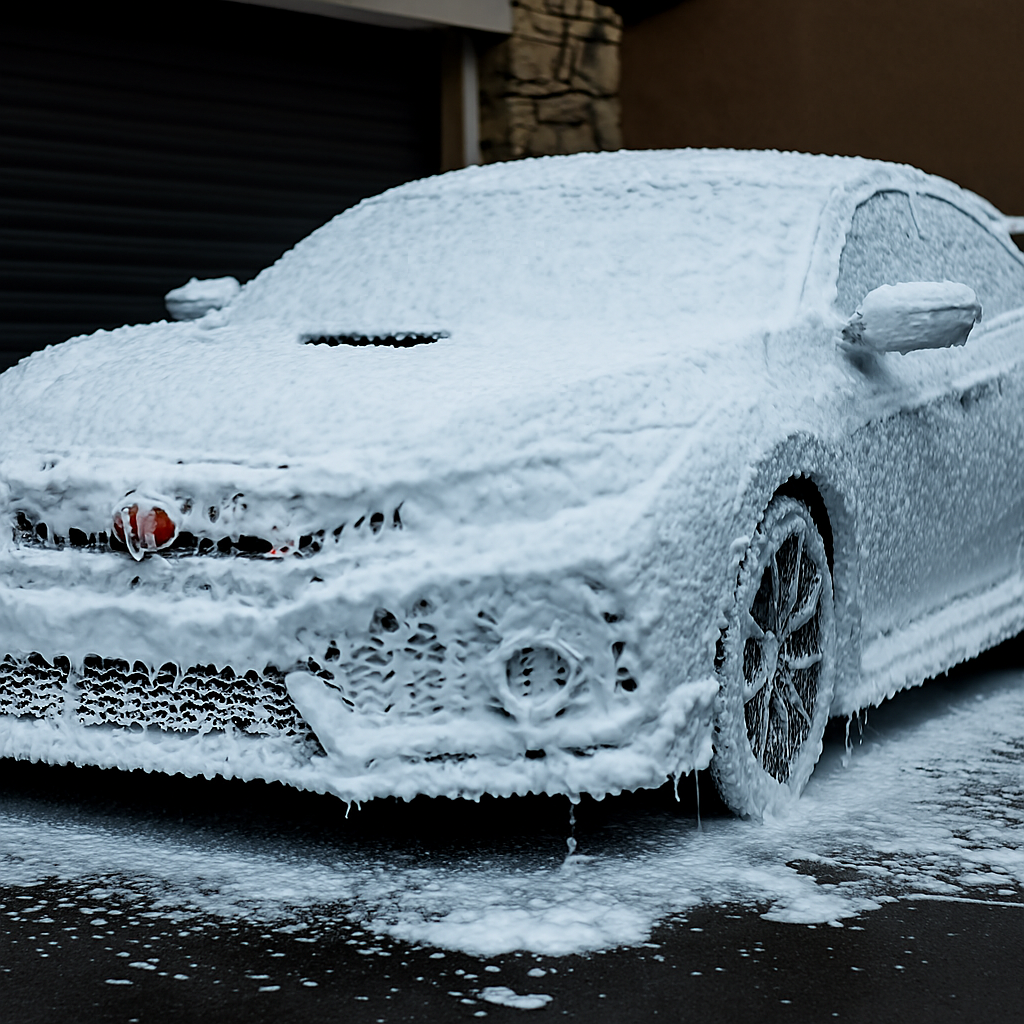
Pre-wash / snow foam — to loosen up grime and reduce swirl risk.
Two-bucket wash — one for shampoo, one for rinse.
Drying — with a proper microfiber towel, not your mum’s old bath sheet.
Protection — ceramic spray or wax to lock in that shine.
Now let’s break down the products we actually use.
🧰 The Products We Use (And You Should Too)
🛞 1. Autoglym Advanced All Wheel Cleaner
With colour-change technology — because who doesn’t love seeing that red reaction as brake dust melts off the rim? A few squirts of this bad boy and your wheels are looking sleek.


❄️ 2. Autoglym Polar Blast (Snow Foam)
Not mandatory, but it helps reduce scratches. This foam is thick, creamy, and lifts grime with minimal effort. Bonus: if you’ve got a white car like us, it even helps with iron fallout and those nasty orange spots.


🧪 3. Autoglym Pocket-Sized Snow Foam Gun
No pressure washer? No problem. This hand-pump foam gun delivers thick foam without the cost.


🧴 4. Meguiar’s Ultimate Car Wash & Wax
We’ve used this for years. Eye-catching yellow bottle, sweet smell, and a wax-infused formula that protects while it cleans. Just a few drops in a bucket of warm water and you’re good to go.


🧻 5. Meguiar’s Supreme Microfibre Towel XL
This towel soaks up moisture with ease, leaving your car dry, scratch-free, and shining like a star.


🛡️ 6. Autoglym Rapid Ceramic Spray Coating
This one’s a game changer. No more hours of waxing and buffing — just spray, wipe, and done. Hydrophobic tech means water instantly repels, leaving your car looking brand new.


💬 The verdict?
Ultimately, you only need two things to keep your car looking fresh:
A decent car shampoo with wax built in
A quality microfiber towel to hit those hard-to-reach areas
Everything else we’ve shown in this blog? That’s luxury, the kind of gear we use because we care about the finish, the feel, and the long-term protection. But if you’re just starting out, keep it simple. This guide only scratches the surface.
Want more help or advice? Reach out to us — we’re always happy to chat, whether it’s about products, process, or your next import.

The Civic Type R’s Final Lap — What It Means for the Scene?

Why is the Civic Type R leaving Europe and the UK?
Unless you have been living under a rock for the last year or so, Honda has sadly announced that they will be pulling the Honda Civic Type R from the European market and the UK! Meaning that a stylish, sleek, punchy and practical family car will leave our streets come 2026.
Due to the ever-growing concern over climate change and the pivot to electric vehicles (EVs), Europe has made it nearly impossible to meet ever-tighter regulations over emissions and efficiencies. Meaning that the punchy 2 litre turbo VTEC legend is no longer welcome in the ever-changing world (Very sad day for us to hear!).
What does this mean for the JDM scene and Honda Lovers?
So, what does this mean for the JDM car scene, Honda Civic Type R enthusiasts, and general petrol heads? Well, there is going to be stark change in the scene with these amazing cars leaving Europe means they will quickly become a rare sought after peace (as if they are not now?)
Honda has not announced the exact reasons as to why they are stopping production in the UK and Europe, but it does not take a rocket scientist to figure out that climate change and emissions are a strong cause for the discontinuation of the Civic Type R in the UK.
Though Honda has announced that in 2026 they will be producing a special car to mark the end of the Type R’s time in Europe and the UK, with what they are calling “the Ultimate Edition Civic Type R” — with only a measly ten of these being allocated to the UK on a first-come, first-serve basis, get your wallets at the ready, petrol heads!

What will the “Ultimate Honda” be?
So, what will this “Ultimate Edition” be? Well, unsparingly of the Japanese, a fascinating colour of White has been picked (we speculate it will be the standard Championship White), with a red racing stripe deal, a black roof, carbon details on the large spoiler and the centre console inside—an increased amount of mood lighting to the floor, door lining, cupholder and centre consoles.


Additionally, the limited-edition Civic Type R Ultimate Edition model comes with a gift box of which has a carbon-style key ring, an emblem with a number between one and forty and unique floor mats.
Honda has issued the on-the-road price of the limited-edition version of their last signature hot hatch at around £57,905 (from the retailer themselves). We certainly can except this price to rise significantly in the second-hand car market after purchase of these rare ultimate collectibles.
So, what do we think of this send-off?
Well it’s honestly heartbreaking to hear that such a legendary car is going to be leaving our beautiful streets, and what we see today will be a thing of the past. These cars have a beauty, style and aggression that are all wonderfully balanced into a very eye-catching car!
However, that is not to say they are gone forever! Honda is not stopping production completely, meaning that these machines will still be available worldwide. Which we are very excited about! We won’t let this legend die! We will be offering JDM car sourcing of these fantastic cars through Touge Imports Ltd until we can no longer import them into the country.
From Japan to the UK: Your Guide to Importing JDM Cars with Touge Imports
Learn how to import a JDM car to the UK with Touge Imports. From auction access and bidding to shipping logistics and DVLA registration—we make Japanese car imports simple, transparent, and enthusiast-driven.

Intro
JDM cars aren’t just for looks—they’re a passion. A dying breed that deserves to be brought back west. The wide arches, sleek lines, and raw, unfiltered power of 90s and early 00s Japanese performance cars… it’s more than nostalgia. It’s a movement.
At Touge Imports, we specialise in JDM car imports to the UK, helping enthusiasts bring iconic Japanese vehicles back to life. Whether it’s a drift-ready S-chassis, a factory-fresh EK9, or a clean Grade 4.5 Skyline sourced from USS Tokyo, we know what makes a proper build worth chasing.
This guide walks you through the Japanese car import process—from accessing auctions and translating grades to shipping logistics and DVLA registration. We live this life ourselves, driving an imported white FK8, and we’re here to help you drive your JDM dream. Don’t be afraid to contact us.
Auction Houses and Agents

There are numerous auction houses and agents available for Japanese car imports. Some have an excellent reputation, while others do not. As a buyer, it’s essential to understand that there are many variables—some within your control, others not and you may have a ton of questions about this!
The leading auction houses operate Monday through Saturday. But keep in mind: if you spot a car on a Sunday evening ready for Monday’s auction, it’s probably too late. Japan runs on a 9-hour time difference ahead of most of Europe, and timing is everything.
Bidding and Access

So, you’ve decided to import? Excellent. You can use Touge Imports as your agent, bridging the gap between you and the auction houses of Japan. We provide auction access, grade translation, and full support throughout the bidding process.
To bid on a vehicle in Japan, you’ll need to place a deposit:
£500 secures bids up to £10,000
£1,000 covers bids between £10,500 and £30,000
We’ll ask: “What’s your maximum bid?” Then we’ll guide you with real-world pricing examples. For instance:
Honda Odyssey RB3 2010 60,000 miles — typically sells for £1,500 to £3,000
We only bid within the ranges you approve. Once you win, we’ll contact you immediately and begin the next steps.
Keep and eye out for our next blog that will talk you through the next steps!